Water temperature
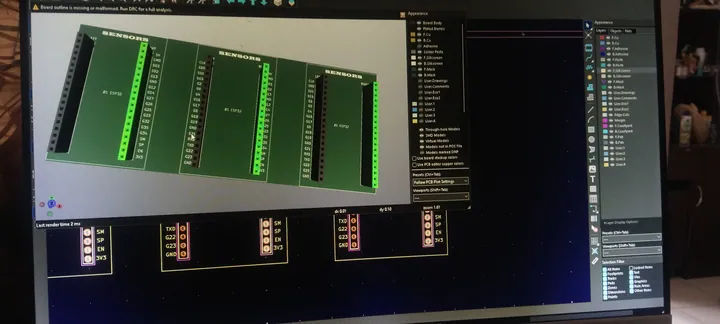
DS18B20Digital temperature inputs for observing the water environment.
Fish. Plants. One connected ecosystem.
Meet AquaGrow365. A local-first aquaponics research system connecting water-quality monitoring, rule-based automation and the people who care for it.
Water connects
everything.
Sensor inputs with clear data quality.
Configurations for a growing ecosystem.
Water conditions seen in context.
Explicit rules. Local control.
A small ecosystem.
A shared responsibility.
Aquaponics brings fish, beneficial bacteria and plants into a recirculating water loop. Fish waste is converted into nutrients; plants take up those nutrients as water moves through the system.
AquaGrow365 explores how electronics and software can make that loop easier to observe and manage. It is a capstone research project spanning hardware, local control and operator applications.
Meet the researchThe aquaponics loop connects living processes.
The control system helps an operator follow them.
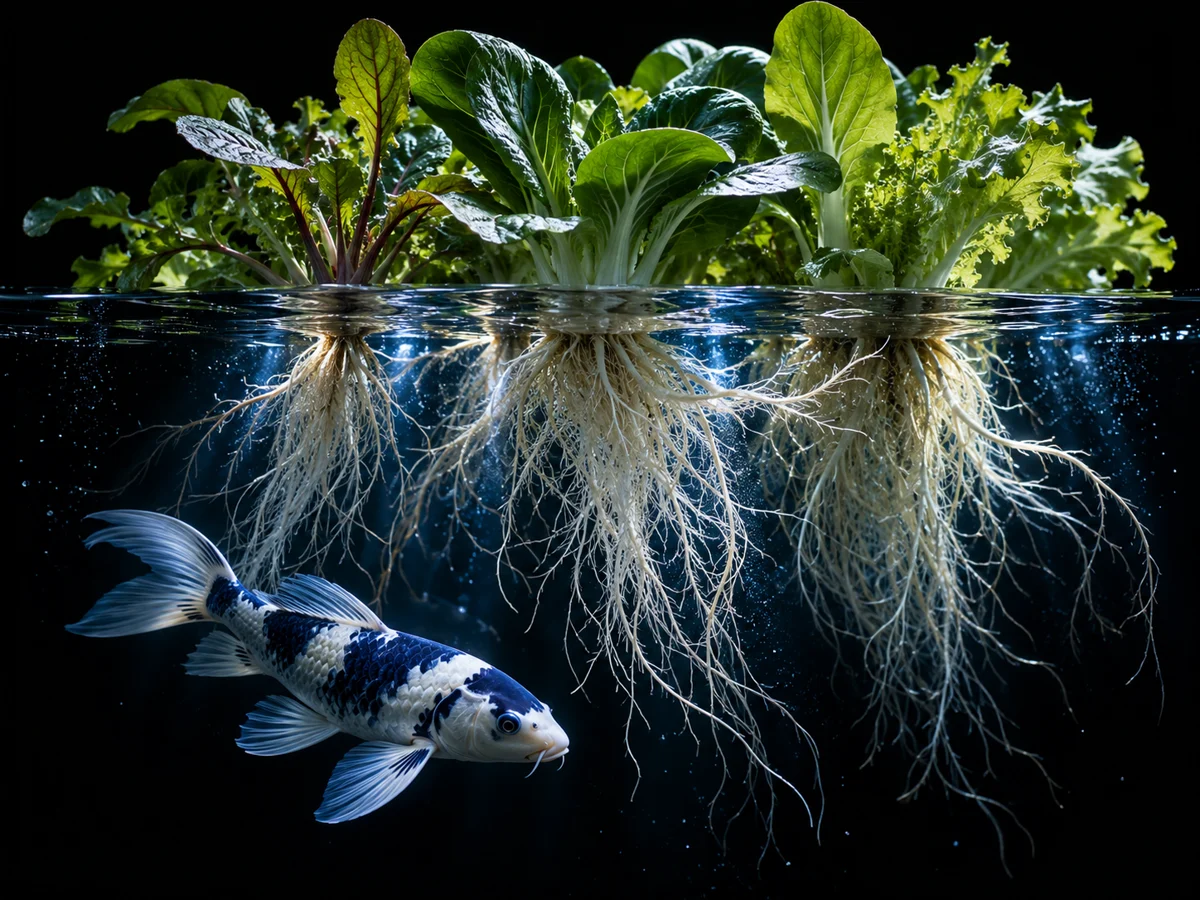
Fish produce waste that becomes the starting point for nutrient cycling.
Beneficial bacteria convert nitrogen compounds into nutrients plants can use.
Plant roots absorb nutrients as water circulates through the growing system.
Sensors, a local controller and paired apps bring observations and configured actions into one view.
A recirculating concept. Actual water use and crop performance depend on the physical setup and operating conditions.
Useful observations start with honest readings.
The project includes these sensor interfaces. Calibration and availability are shown explicitly in the operator apps.
Digital temperature inputs for observing the water environment.
Analog input with explicit calibration and data-quality states.
Oxygen sensing input; engineering values depend on valid calibration.
Dissolved-solids inputs, interpreted using their configured calibration.
Ultrasonic distance inputs for configured water-level monitoring.
Gas-sensor input. Raw readings are not a verified water-ammonia concentration.
Raw inputs stay raw until they have a valid interpretation. This public website does not display live telemetry.
A living system needs more than a switch. It needs decisions you can understand.
Configured sensor conditions and schedules trigger bounded actions. Inspectable rules bring circulation, aeration, lighting and feeding into one control model.
Save target configurations and reusable action routines. Selecting a configuration stays separate from executing hardware actions.
Paired operator apps expose permitted manual actions, history and alerts. Owner administration manages calibration, mapping and rules separately.
Command acknowledgments, deadlines, automatic OFF, emergency-stop handling and controller connectivity checks constrain execution. Software reports remain distinct from physical verification.
The Raspberry Pi is the local authority.
Your core monitoring and control stay on your own hardware.
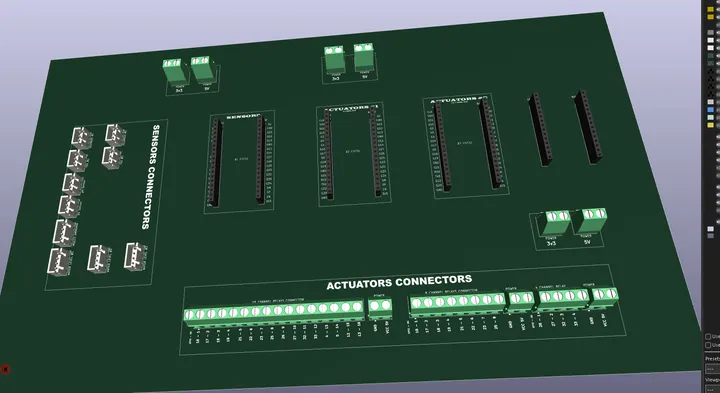
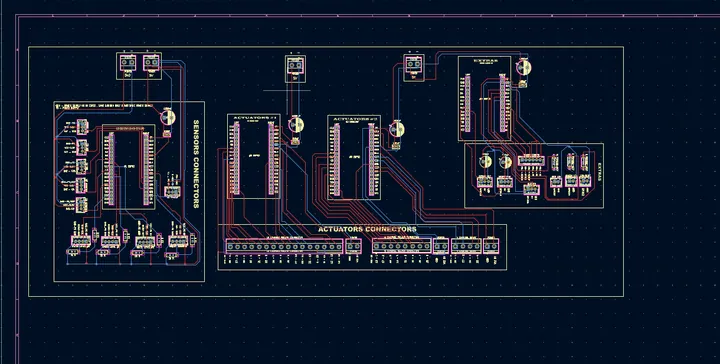
Sensors · relays & safety · camera & indicators · feeder
Python / FastAPI · SQLite · automation · alerts · pairing
Pi kiosk · Windows desktop · Android mobile · separate Owner administration
How can local sensing and transparent control help people care for a small aquaponics ecosystem?
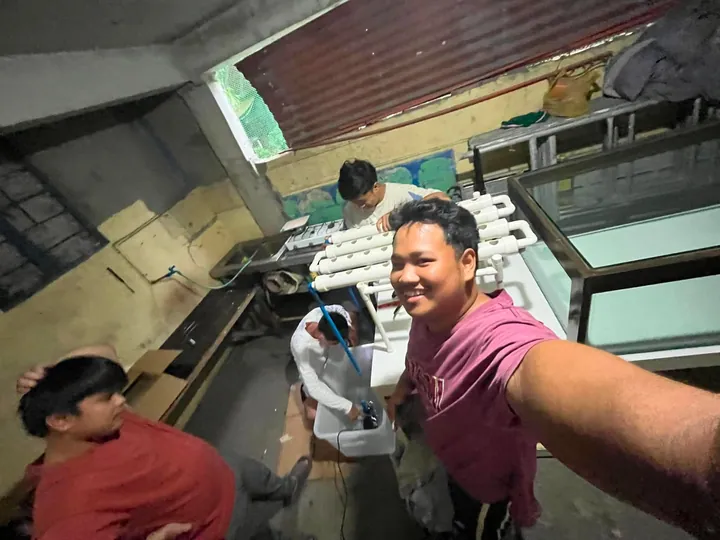
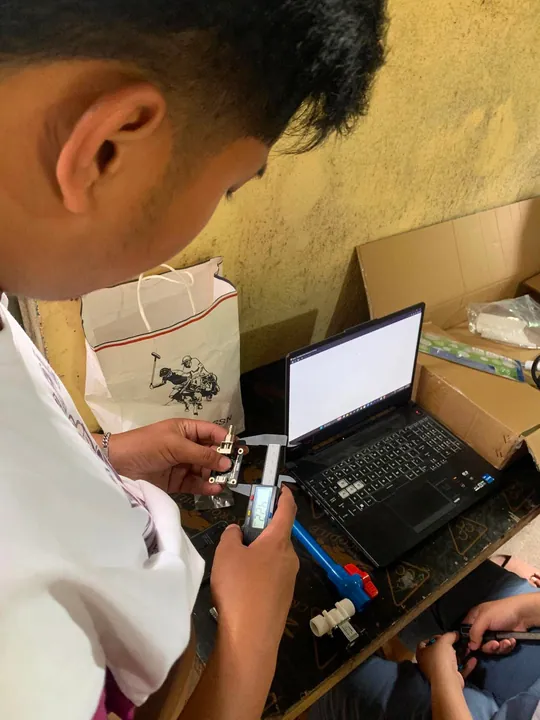
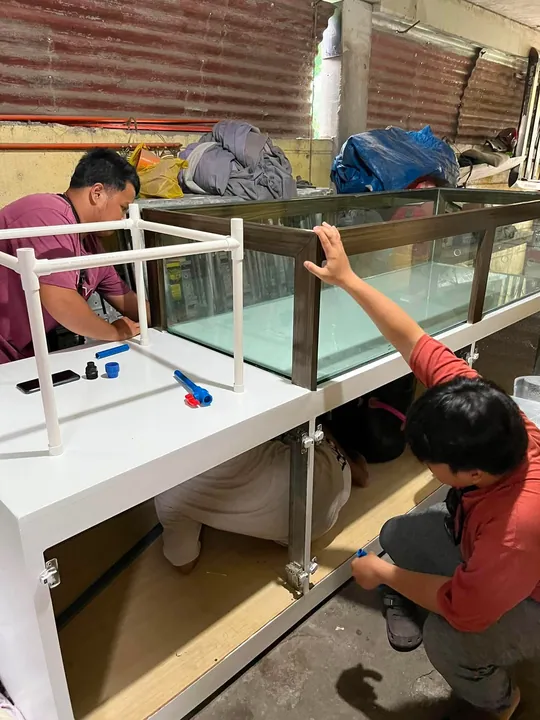
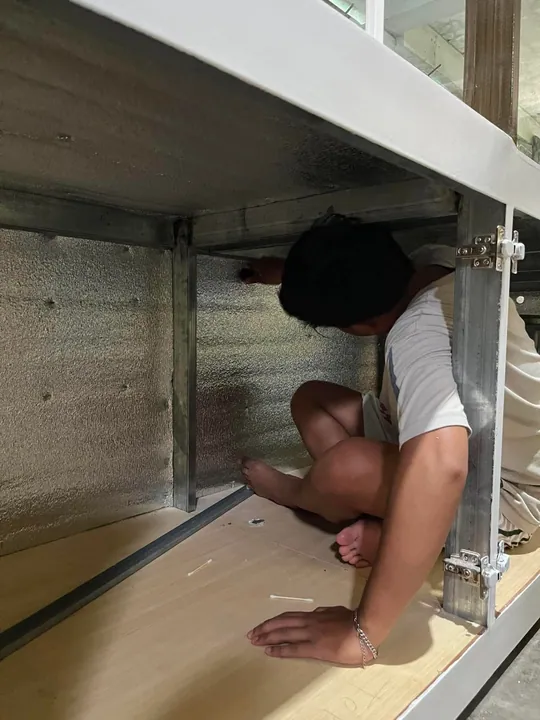
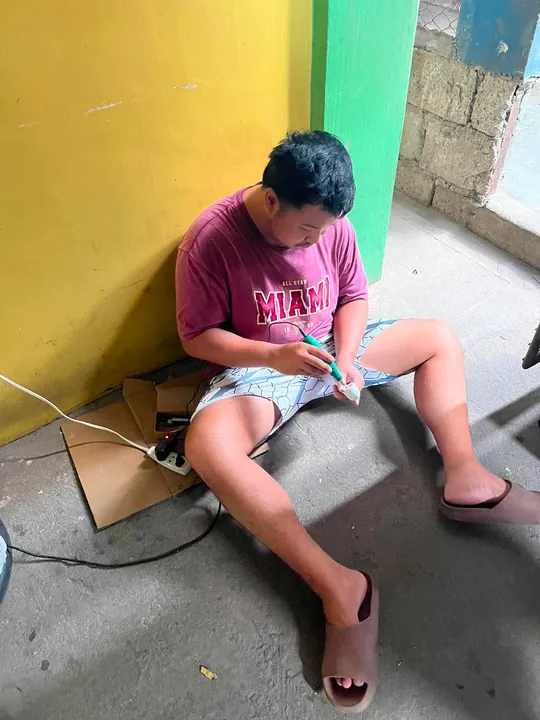
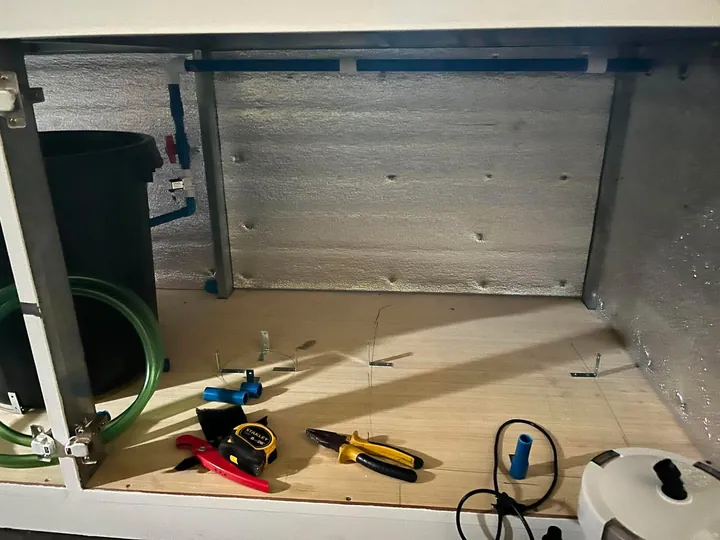
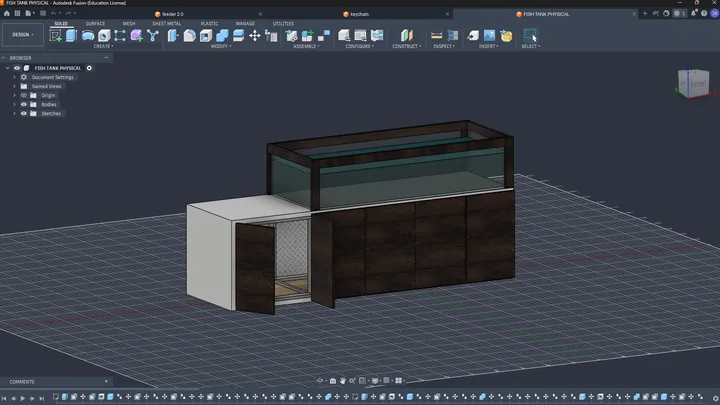
Research connects electronics architecture, physical prototyping, software engineering, 3D modeling and documentation.
Sensor calibration, explicit data states and reproducible configurations are part of the engineering work. A software test is kept separate from a physical observation.
The available apps are preview builds. The project continues to evolve; no published yield, water-saving percentage or commercial-readiness claim is made here.
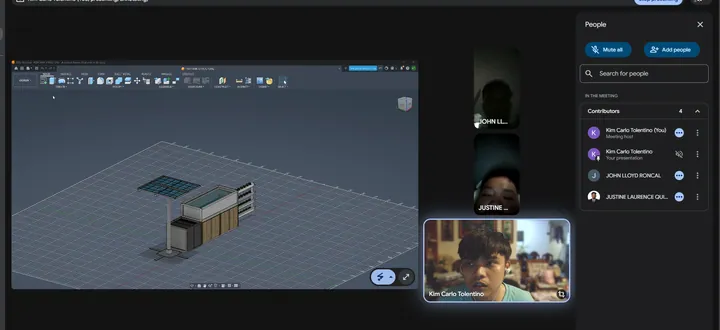
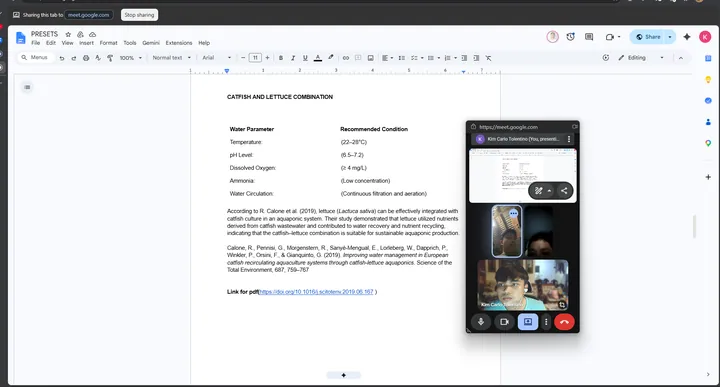
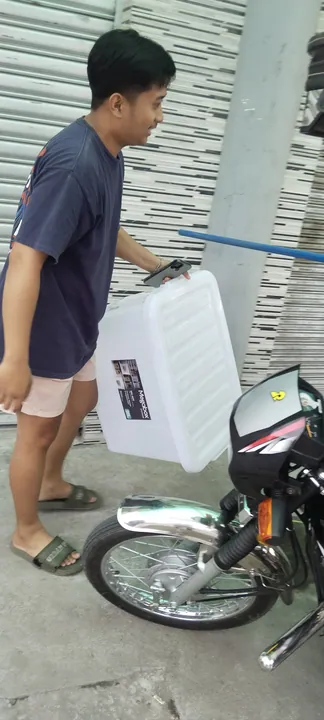
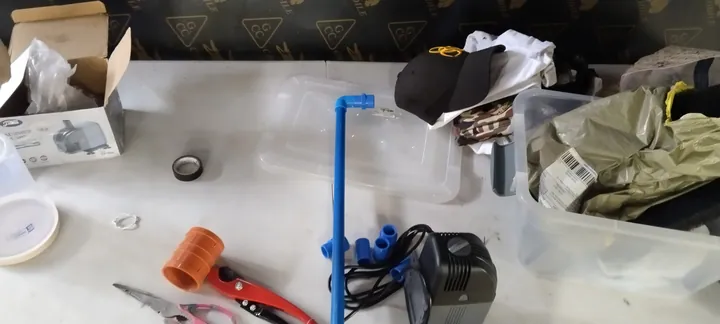
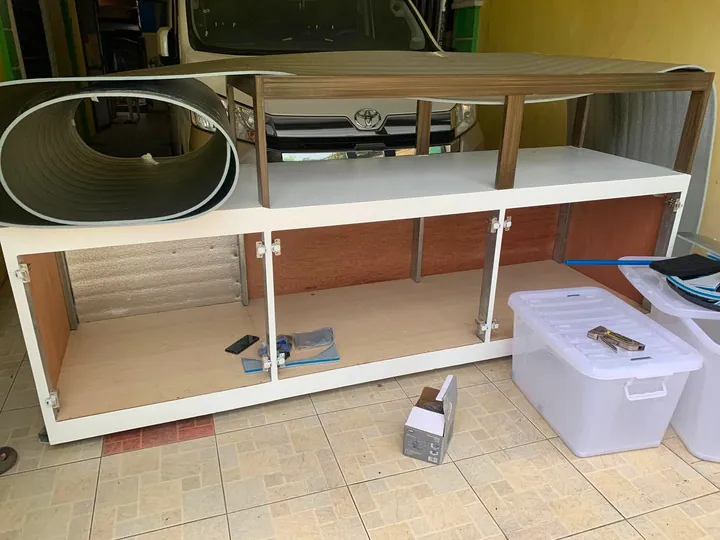
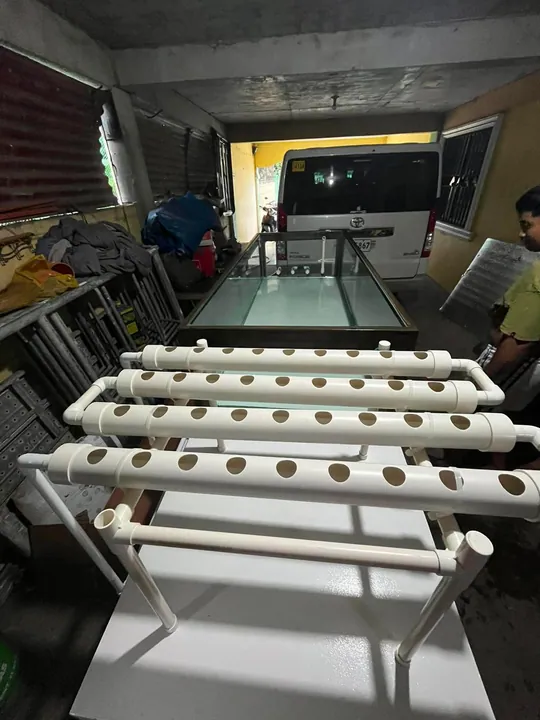
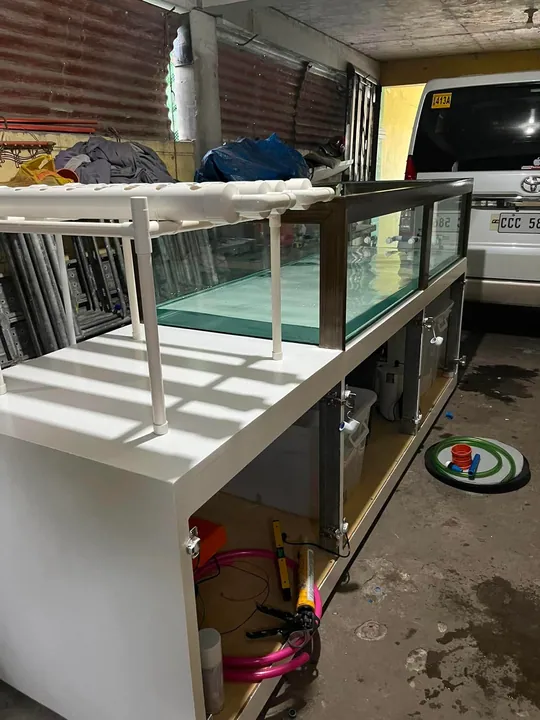
A look inside the project.
Concepts and implementation, clearly distinguished.
Use the arrow keys to explore, plus and minus to zoom, or Enter to browse all photographs.
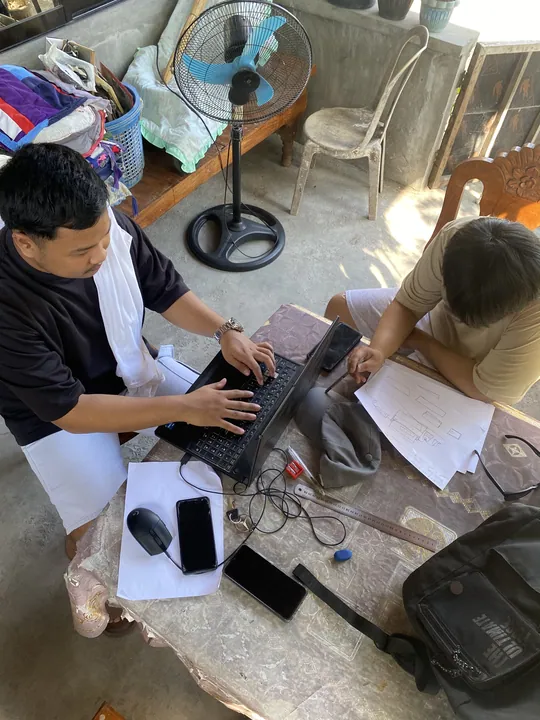
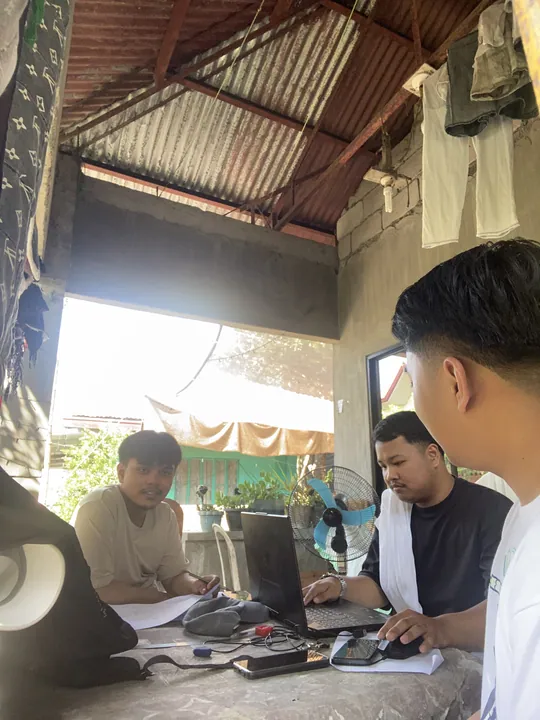
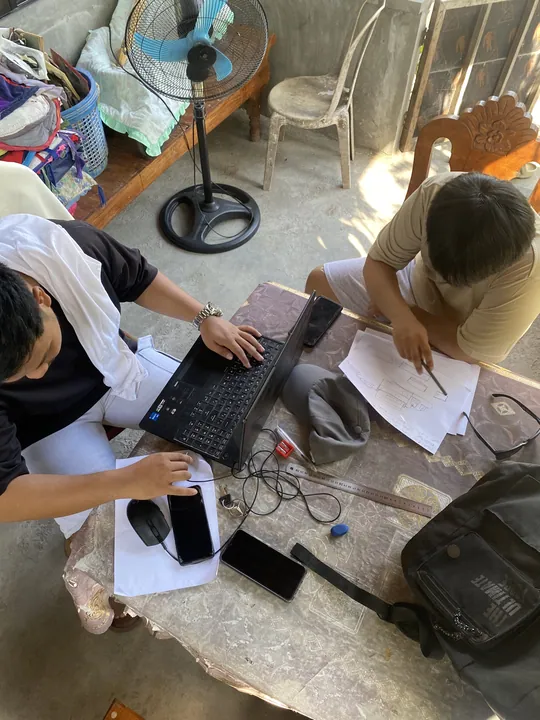
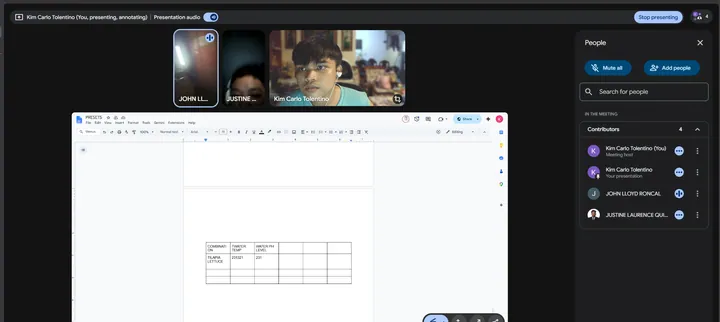
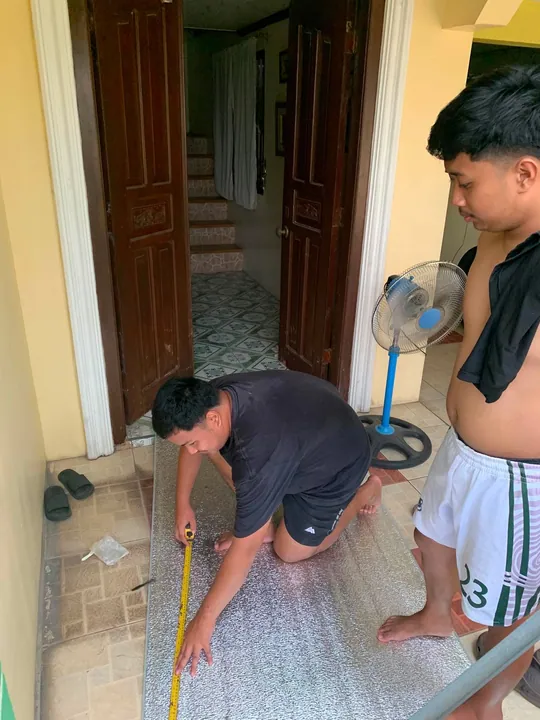
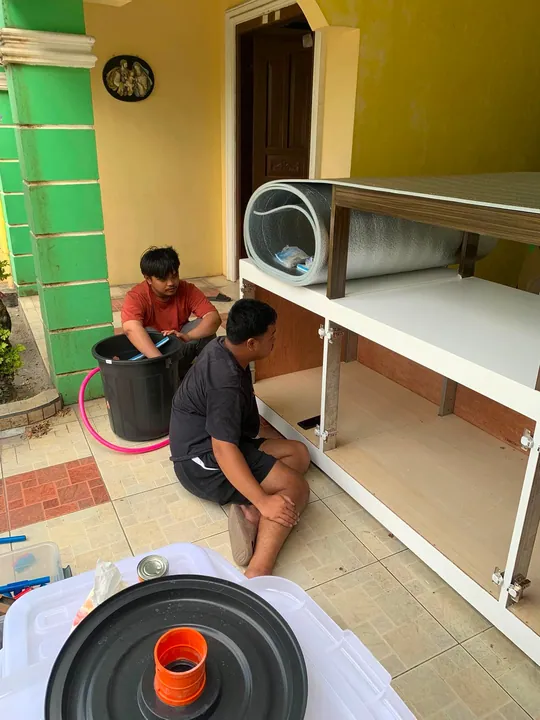
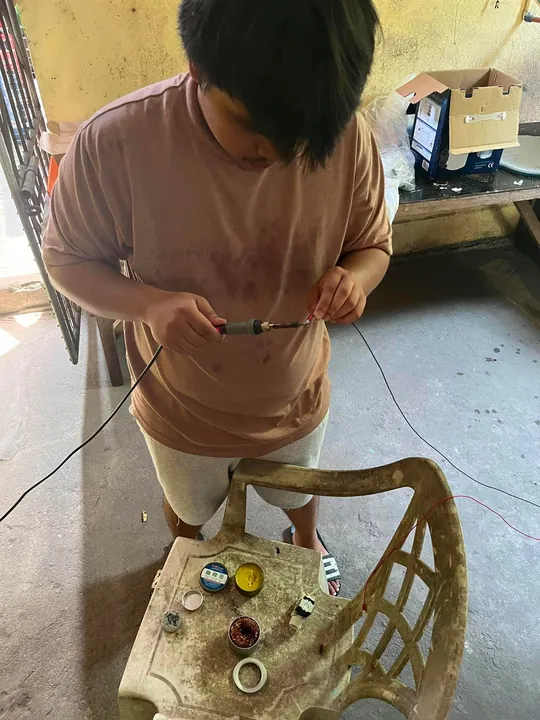
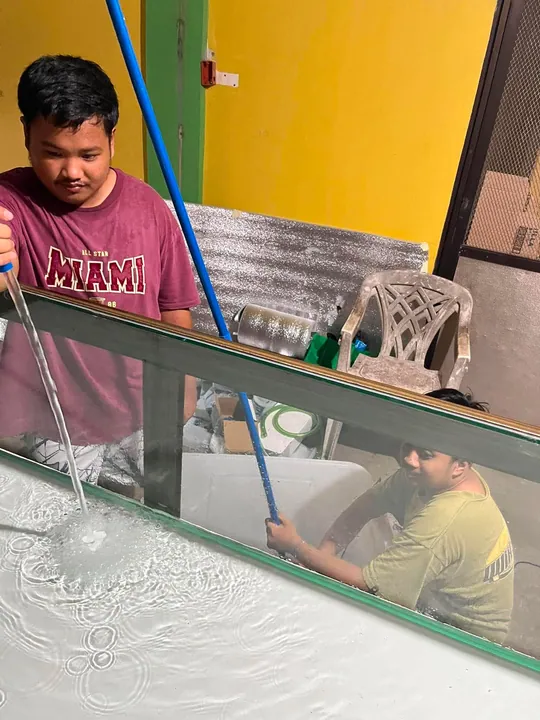
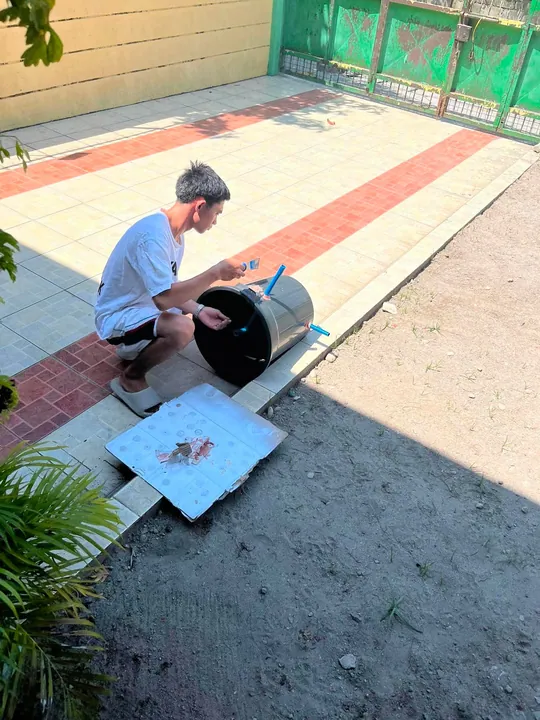
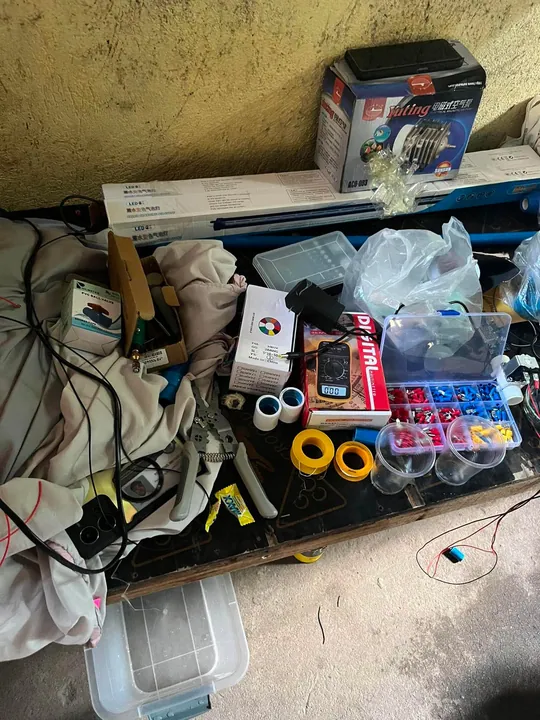
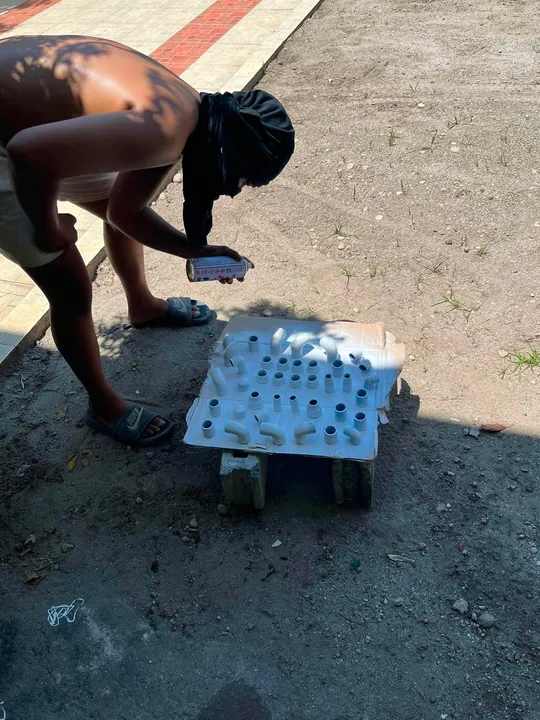
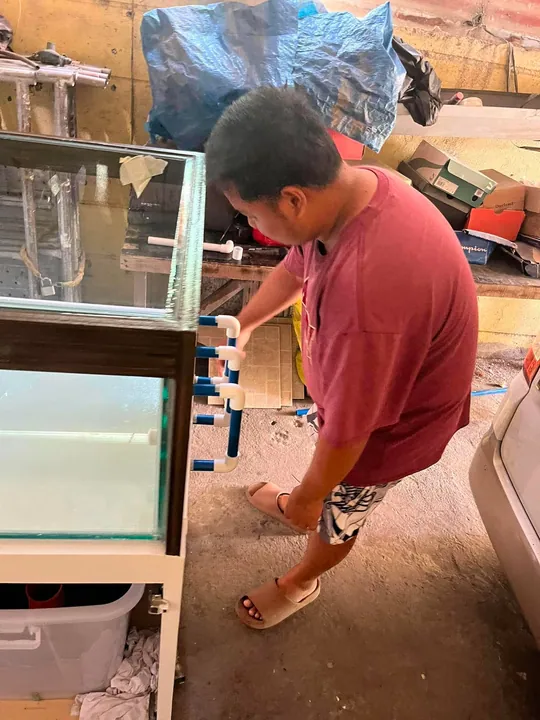
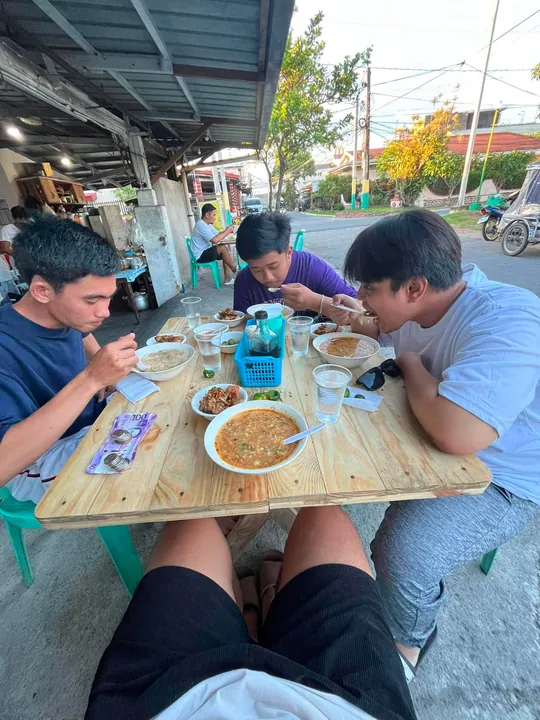
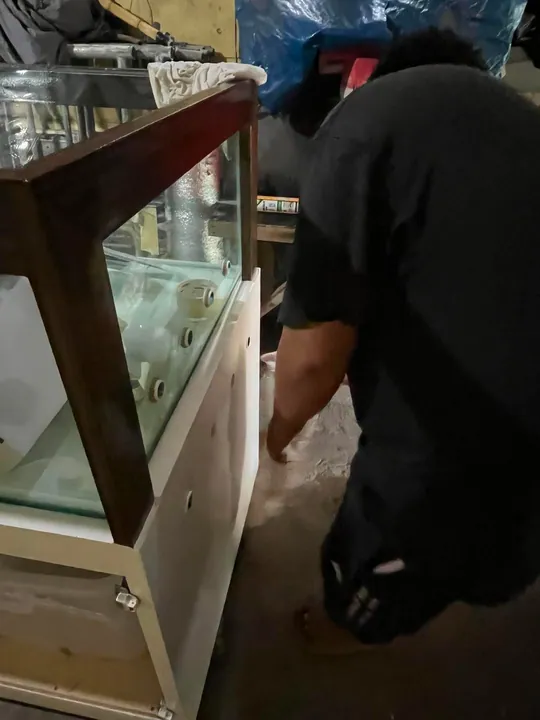
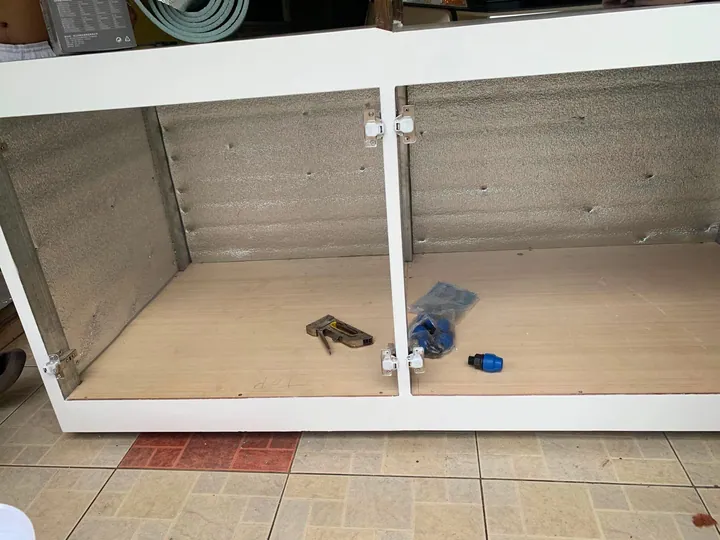
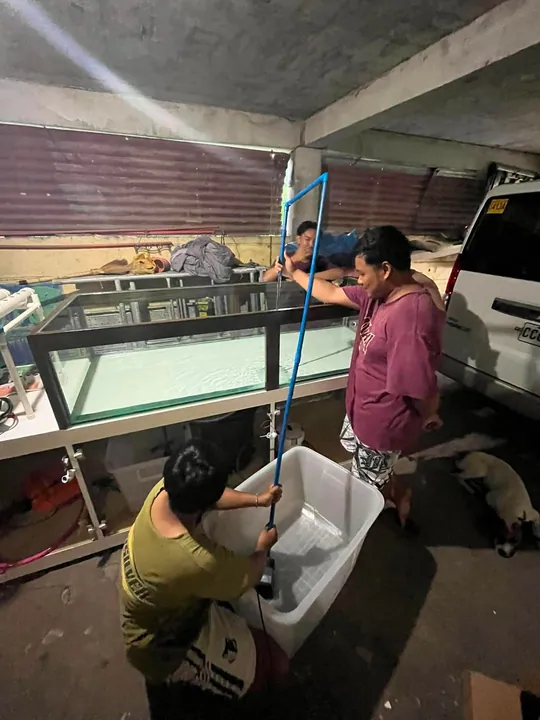
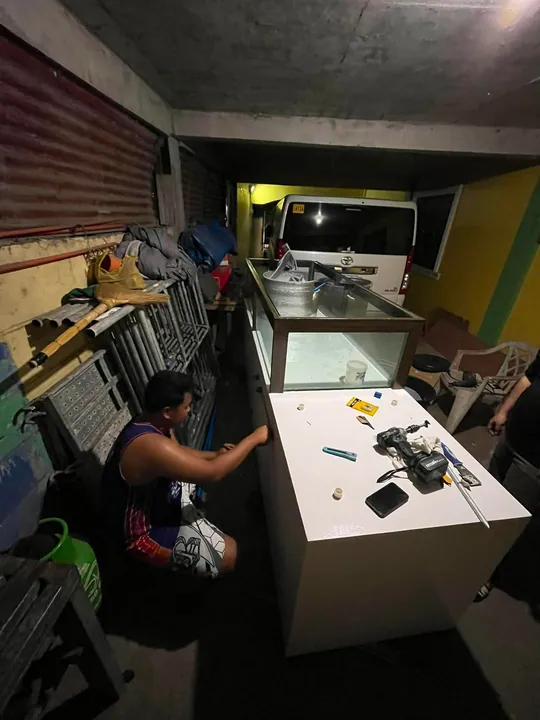
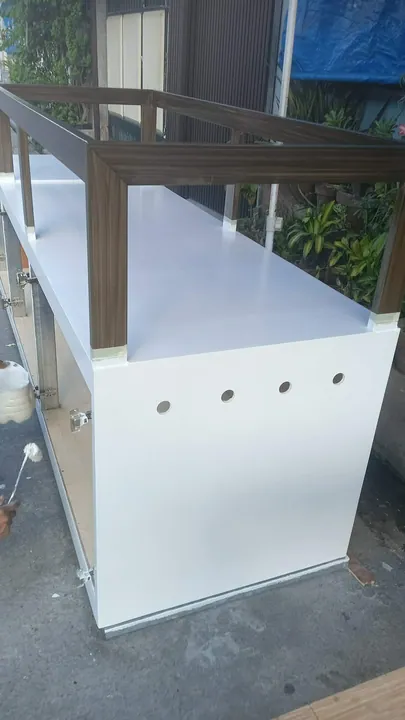
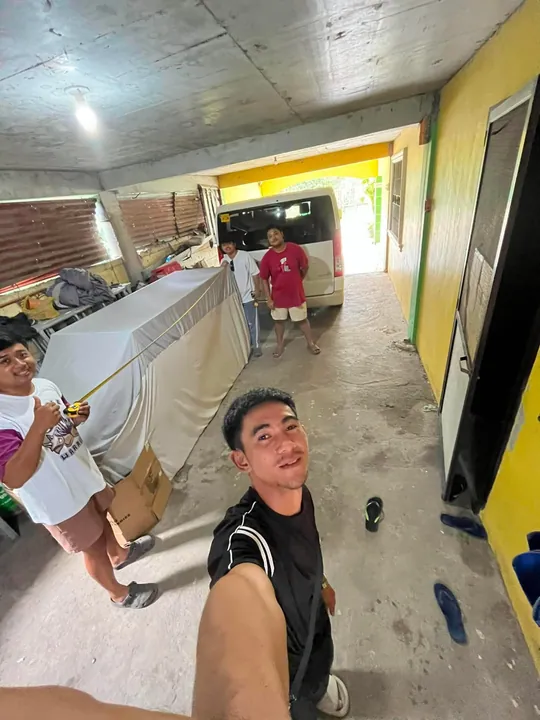
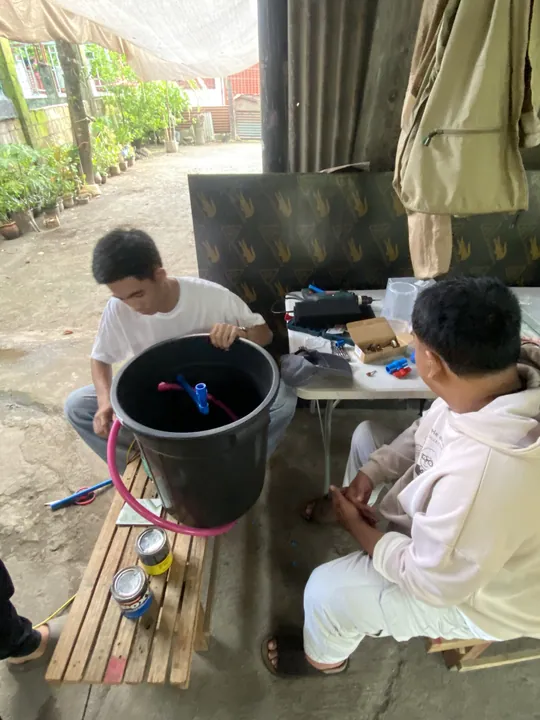
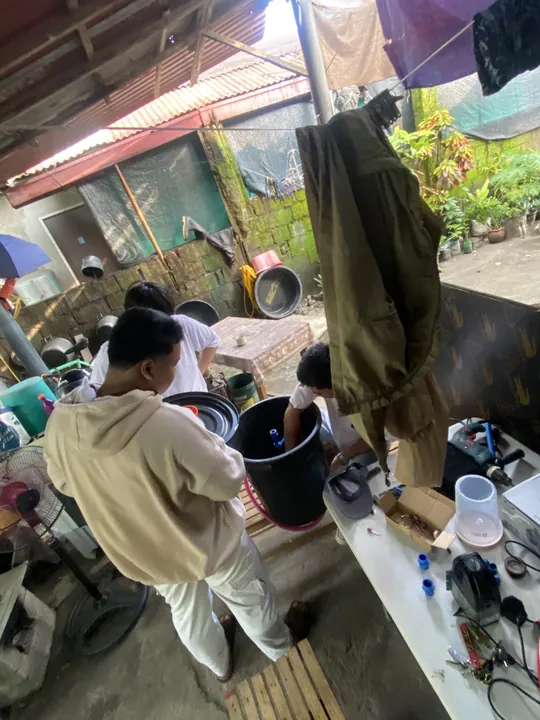
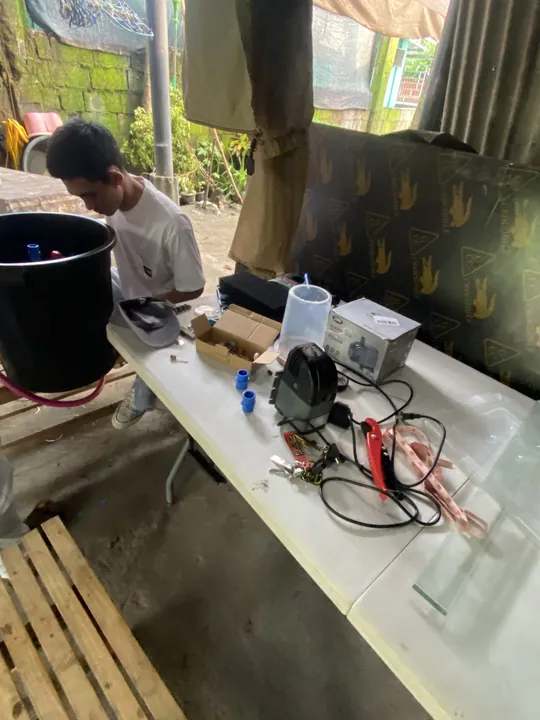
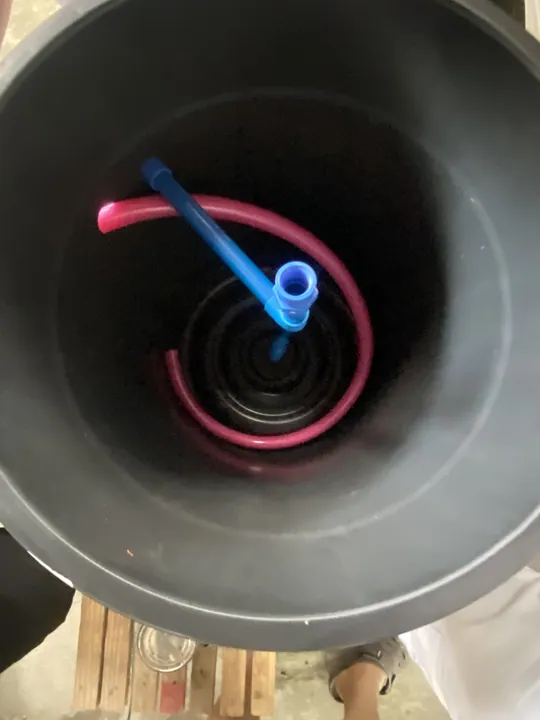
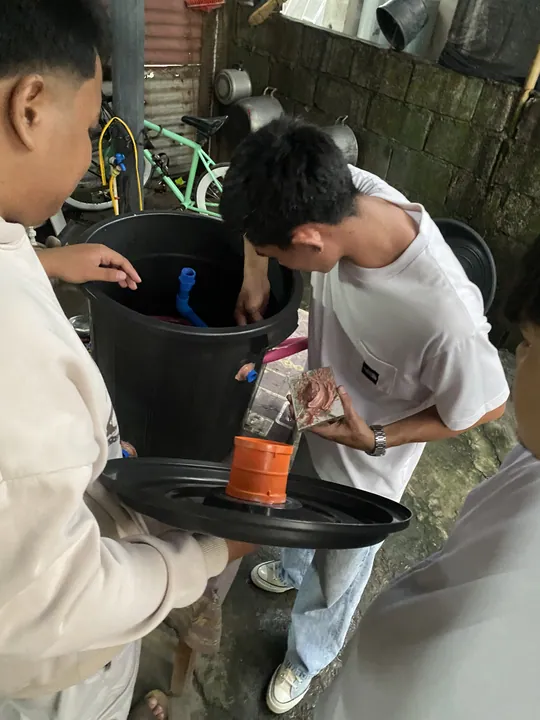
Project photographs supplied by the team. Interface captures and conceptual artwork are shown separately.
The research team behind AquaGrow365.
Building across software, hardware and living systems.

Built with C++, Python, TypeScript, JavaScript, React, React Native, Next.js, Expo, Tauri, Node.js, Tailwind CSS, Vite, Raspberry Pi, Espressif / ESP32, Arduino, PlatformIO, FastAPI, SQLite, MQTT, Git, Rust, Cloudflare, Pytest, Linux.
Kim Carlo Tolentino leads the overall development and system architecture of AquaGrow365, overseeing its integration of software, electronics, and hardware. His…

Justine Laurence Quizon contributes to the research, technical documentation, and development of AquaGrow365's physical prototype. As the physical prototype and…

John Lloyd Roncal leads the research and research paper development of AquaGrow365, focusing on the project's academic foundation, technical documentation, and…

Reynaldo Cruz contributes to the physical prototype and hardware development of AquaGrow365 while supporting the project's research activities. His…
Install the app. Connect to your controller.
See your system from Windows or Android.

APK package · v0.2.55

x64 installer · v0.2.58
Published 2026-11-24 · Controller and valid pairing session required. iOS and Linux packages are not available.
Research questions, collaboration or project feedback?
Start a conversation with the team.